


Soil pollution and government action programs
- Green Movement

- Mar 21, 2021
- 3 min read
1. Current status
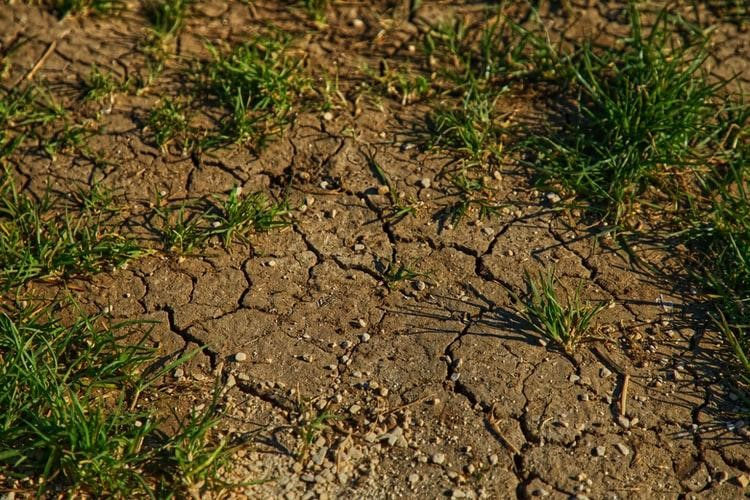
Soil contamination is defined as the accumulation of hazardous compounds, chemicals, salts, and radioactive materials in soil that is all detrimental to plant growth and animal health. Soils can be polluted in a number of ways, both by allowing tainted water to percolate into the soil and by overusing pesticides and fertilizers. Crop intensification is one of the most obvious sources of emissions in agriculture. Agricultural reforms have resulted in intensification in most agricultural crops, including cotton, coffee, corn, fruit trees, and vegetables, over the last three decades. As long as food demand continues to increase, this pattern will continue, at least in the next decade. Increased use of inorganic fertilizer is also attributed to soil erosion caused by successive cropping seasons and reduced use of organic fertilizer.
Over most of the last three decades, the government has prioritized production volume and export prices above efficiency and long-term sustainability. As a result, higher inputs and agrochemicals have been used to intensify cultivation. High social and environmental costs have resulted from input-based expansion, which is unsustainable in the long run. Vietnamese rice and coffee are typical of poorer quality and cost in foreign markets than those of other major exporting countries in Asia and South America. Monitoring the usage of fertilizers, pesticides, agrochemicals, and industrial waste, in general, has a low level of compliance.
2. Programs applied by government
2.1. IPM is a nationwide initiative.
Several government policies have been initiated in recent decades to encourage organic cultivation and GAPs, including the following.
The IPM curriculum at the national level. Centered on the Food and Agriculture Organization's IPM program, this program was launched in 1992. (FAO). The program began with rice to combat the brown planthopper epidemic, but it later grew to include other crops such as vegetables and fruit trees.
=>Farmers were aided by the IPM software in selecting safe plants, protecting natural enemies (predators), and limiting pesticide and chemical use.
2.2. The integrated crop management (ICM) and integrated nutrient management (INM) programs for coffee.
For coffee plantations in the CH Province, the ICM and INM techniques were developed. Farmers can balance and optimize connections with and inside input groups including fertilizers, water, and pesticides using these techniques. To manufacture healthy and clean materials, biological pest control methods are used.
2.3. The GlobalG.A.P. and VietGAP programs.
These projects enable farmers to grow agricultural goods that are both clean and healthy. These systems explicitly stated fertilizer and pesticide control (including packaging, trademarks, storage, usage, transportation, farm waste disposal, and so on). The programs' objectives were to assist farmers in successfully controlling and using pesticides and fertilizers in order to grow clean and nutritious goods that would add value to the products and increase farmers' profits.
2.4. Reductions 3 Gains (3R3G) Program for rice.
The aim of this program was to reduce the use of seeds, fertilizer, and pesticides in rice production in order to boost yields, rice quality, and income for rice farmers. One of the most promising technological advances in rice production in the south has been this initiative.
2.5. The 1 Must and 5 Reductions (1M5R) Rice development program in the south and rice intensification system (SRI) program in the north.
These services were only recently launched. Pest management is dependent on crop tolerance (on good crops and seed varieties) and planting strategies that use natural predators or enemies to combat pests, as well as efficient water management to maximize usable nutrients in the soil. 6. Drivers and responses to pollutants 49 When rice yields are threatened, pesticides are used. The use of fertilizer is determined by the nutritional requirements of rice plants.
2.6. The large field program for rice.
In 2011, the initiative was launched in the south, and in 2012, it was launched in the north. Small individual farmers are encouraged to join together to form large-scale rice fields under this scheme. As a result, pest control and pesticide and fertilizer applications are designed and carried out on a wider scale, which has a range of benefits and can be more effective.
Hoang Tu Anh
References
Nguyen Thi Phuong (n.d.). "Agriculture pollution in VietNam". Retrieved from http://caer.eco.ku.ac.th/2019/wp-content/uploads/2018/11/Agriculture-pollution-in-VietNam.final_.pdf
World Bank (2017). "Tong quan ve O nhiem Nong nghiep o Viet Nam: Nganh trong trot". Retrieved from https://openknowledge.worldbank.org/bitstream/handle/10986/29241/122934-Crops-VN.pdf?sequence=4&isAllowed=y


Comments